Finding the Best Mattress Pad for Your Needs: A Comprehensive Guide
Are you ready to transform your sleep experience? A high-quality mattress pad can be the secret weapon you need for a more comfortable, supportive, and restful night’s sleep. But with so many options available, choosing the right one can feel overwhelming. This guide will walk you through everything you need to know to find the best mattress pad for your specific needs.
Understanding Your Needs: The Foundation of a Great Choice
Before diving into brands (which are numerous and change frequently!), it’s crucial to understand what you’re looking for in a mattress pad. Ask yourself these key questions:
-
What is your primary goal? Are you seeking enhanced comfort and softness, added protection for your mattress, temperature regulation, or a combination of these? Identifying your main priority will significantly narrow your search.
-
What’s your sleeping style? Side sleepers often need more cushioning, while back sleepers might prioritize pressure relief. Stomach sleepers may benefit from a thinner, firmer pad. Your sleep position directly impacts the type of padding you’ll want.
-
What’s your budget? Mattress pads range in price significantly. Setting a budget beforehand prevents decision fatigue and keeps you focused on pads within your financial comfort zone.
-
What’s your mattress type? The type of mattress you own (e.g., memory foam, innerspring, latex) can influence the best type of pad. Some pads work better with certain mattress types, maximizing the benefits.
-
What’s your preferred material? Different materials offer varying levels of softness, breathability, and durability. Common materials include cotton, down alternative, wool, and microfiber. Consider your personal preferences and potential allergies when choosing a material.
Step-by-Step Guide to Choosing the Right Mattress Pad
-
Identify your primary need: As mentioned, this is the most crucial step. Are you looking for plush comfort, waterproof protection, or temperature control?
-
Consider your sleeping style and mattress type: This will help you determine the desired thickness and firmness of the pad.
-
Set a realistic budget: Don’t be afraid to compromise slightly on features if it means staying within your budget.
-
Research different materials: Read about the pros and cons of cotton, down alternative, wool, and microfiber to see which best suits your needs and preferences.
-
Check for features like waterproofing, hypoallergenic properties, and temperature regulation: These features might be essential depending on your requirements.
-
Read reviews (but focus on the overall consensus, not specific brand mentions): Pay attention to common themes and overall user satisfaction.
Essential Tips for a Successful Mattress Pad Purchase
-
Consider the size: Ensure you buy a pad that fits your mattress perfectly. A too-small pad will bunch up, and a too-large one might become a tripping hazard.
-
Check the care instructions: Before buying, understand how to clean and maintain the pad. Some require special washing instructions.
-
Look for certifications: Certifications like OEKO-TEX Standard 100 indicate that the product has been tested for harmful substances.
-
Don’t underestimate the importance of breathability: Especially if you tend to overheat at night, prioritize a breathable pad.
-
Think about future needs: If you anticipate having children or pets, a waterproof or stain-resistant pad will be invaluable.
Common Mistakes to Avoid
-
Ignoring your sleeping style: Choosing a pad that doesn’t suit your sleeping position can lead to discomfort and poor sleep quality.
-
Neglecting your budget: Overspending on a feature-rich pad you don’t truly need is a common mistake.
-
Not checking the care instructions: Improper cleaning can damage the pad and shorten its lifespan.
-
Focusing solely on price: While price is a factor, don’t sacrifice quality and features just to save a few dollars.
-
Not considering the material’s properties: Choosing a material that isn’t suitable for your climate or personal preferences can negatively impact your sleep experience.
By following these steps and tips, you’ll be well-equipped to find the perfect mattress pad to enhance your sleep quality and comfort. Remember, the best mattress pad is the one that best meets your individual needs. Sweet dreams!
FAQ
Q. What are the best mattress pad brands for overall quality and value?
A. Several brands consistently receive high marks for quality and value. These include brands like Saatva, Purple, Brooklinen, and Beckham Hotel Collection. The “best” brand will ultimately depend on your individual needs and preferences (e.g., desired thickness, material, features). Reading reviews focusing on durability and comfort is crucial before making a decision.
Q. What’s the difference between a mattress pad and a mattress topper?
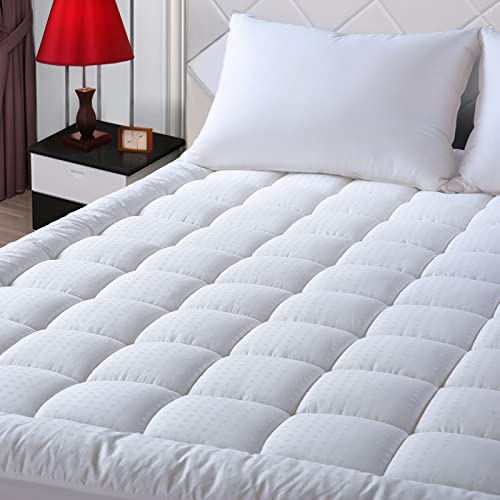
A. While both protect your mattress, they differ in thickness and function. A mattress pad is typically thin, offering protection against spills, stains, and wear and tear. It primarily enhances hygiene and extends mattress life. A mattress topper, on the other hand, is thicker and designed to add comfort and support, often changing the feel of the mattress itself.
Q. What material is best for a mattress pad?
A. The ideal material depends on your priorities. Cotton is a breathable and soft option, while microfiber is often more affordable and durable. Bamboo is known for its temperature-regulating properties. For hypoallergenic choices, consider pads made from Tencel or organic cotton. Consider factors like temperature preference and potential allergies when choosing a material.
Q. How often should I wash my mattress pad?
A. Ideally, you should wash your mattress pad every 3-6 months, or more frequently if you experience spills or notice any odors. Always check the care instructions on the pad’s label for specific washing recommendations.
Q. Are waterproof mattress pads noisy?
A. Some waterproof mattress pads can be noisy due to the crinkling sound of the waterproof backing material. However, many manufacturers are now producing quieter options using advanced materials and manufacturing techniques. Look for pads described as “quiet” or “noiseless” in the product description to minimize this issue.
Q. What size mattress pad should I buy?
A. Measure your mattress carefully! Buy a mattress pad that is the exact same dimensions as your mattress, ensuring it fits snugly. Getting the wrong size can lead to bunching and discomfort. Consider getting a slightly larger pad if you have a very deep mattress. Always check the manufacturer’s sizing chart to ensure a proper fit.