Imagine waking up feeling truly revitalized, every single day. The promise of such restorative sleep is what makes the burgeoning smart bed market so captivating. But as you navigate the cutting-edge features – from personalized firmness settings and precise temperature regulation to advanced sleep tracking and even anti-snore technology – a crucial question looms for many discerning consumers: are smart beds worth it? Beyond the futuristic appeal, discerning the genuine value of these high-tech sleep solutions requires careful consideration of their real-world benefits against the investment. This article cuts through the marketing hype, diving deep into what makes these intelligent mattresses tick. We’ll explore the science behind optimal sleep, evaluate the innovative features that promise improved sleep quality, and ultimately help you decide if a smart bed is the right upgrade for your nightly routine, setting the stage for our comprehensive product reviews and expert buying guide.
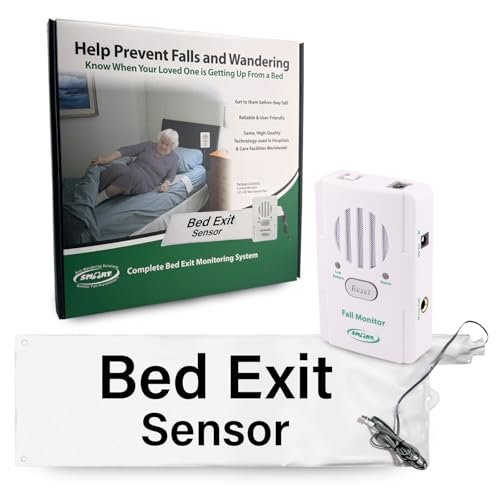
1. Smart Caregiver FallGuard Bed Exit Alert for Seniors Fall Prevention – Bed Alarm with 10″x30″ Weight Sensing Bed Pad for Elderly – Automatically Alerts Caregiver When They Get Up

Review: Smart Caregiver FallGuard Bed Exit Alert
Navigating the complexities of senior care often leads families to ponder: are smart beds worth it for enhancing safety and peace of mind? While many associate “smart beds” with advanced sleep tracking or adjustable comfort, the Smart Caregiver FallGuard Bed Exit Alert presents a different, highly targeted answer to a critical need: fall prevention. This system isn’t a full smart bed, but rather a dedicated, intelligent solution designed to drastically reduce the risk of falls for elderly or vulnerable individuals. Let’s delve into its features and overall value.
Design and Build Quality
The Smart Caregiver FallGuard system comprises two primary components: a weight-sensing bed pad and an alarm monitor. The 10″x30″ sensor pad feels robust yet comfortable, crafted from soft vinyl with a foam interior. Crucially, it’s sealed for incontinence protection, a practical detail that speaks volumes about its suitability for elder care environments. This thoughtful design ensures durability and simplifies cleaning, extending the product’s lifespan. The monitor itself is a compact, functional unit, featuring clear status lights and easy-to-access controls. While its aesthetic is purely utilitarian, its sturdy construction suggests it can withstand the rigors of daily use in a care setting. The secure, wired connection between the pad and monitor further reinforces reliability, minimizing accidental disconnections.
Performance and Key Features
The core promise of the FallGuard system is immediate fall prevention, and in this regard, it largely delivers. The moment pressure is removed from the weight-sensing bed pad, the alarm monitor immediately alerts the caregiver. This instant notification is paramount, allowing proactive intervention before a fall occurs. With two distinct volume levels, caregivers can adjust the alert to suit their environment, ensuring it’s heard without being overly disruptive. The prominent reset button on the front makes silencing the alarm straightforward, preventing unnecessary stress. Low battery and sensor status lights are vital, offering continuous assurance that the system is operational, a smart feature that eliminates guesswork. Installation is commendably simple: position the pad under the lower sheet, aligned with the shoulder blades or hips, and connect the cord to the monitor. The flexibility to attach the monitor to the bed, wall, or a nearby surface offers convenience, though proximity to the bed might still alert the user. This focused functionality, while not offering the comprehensive data of more elaborate smart sleep solutions, excels at its primary task.
User Experience and Usability
From a caregiver’s perspective, the Smart Caregiver FallGuard is remarkably user-friendly. The initial setup takes mere minutes, and the clear visual indicators (low battery, sensor status) mean ongoing maintenance is minimal. The immediate alert provides invaluable peace of mind, significantly reducing anxiety about unsupervised nighttime movements. For the individual under care, the pad’s discreet placement under the sheet means it’s largely unnoticed, preserving their dignity and comfort. The wired connection, while reliable, does necessitate careful cable management to prevent snagging or tripping hazards. While the monitor’s proximity to the bed is often recommended for prompt response, it’s worth noting that the alarm might startle the individual attempting to exit the bed, potentially causing distress. However, the overall simplicity and effectiveness make it a highly practical tool for daily use in a busy care environment.
In-depth Pros and Cons
- Pro: Immediate and Reliable Alerts: The system triggers instantly upon bed exit, providing critical time for caregivers to intervene and prevent falls. This proactive approach significantly enhances safety.
- Pro: Durable and Incontinence-Friendly Pad: The vinyl-sealed, foam-interior pad is built to last and can withstand incontinence, making it ideal for senior care settings and ensuring hygienic use.
- Pro: Simple Operation and Clear Indicators: With intuitive volume controls, a prominent reset button, and clear low battery/sensor status lights, the system is easy to operate and maintain, reducing caregiver burden.
- Pro: USA-Based Company with Expert Support: Access to knowledgeable, US-based customer service (Mon-Fri) is a significant advantage, offering peace of mind for troubleshooting and support.
- Con: Limited Sensor Pad Size: At 10″x30″, the pad might not cover the full range of movement for all individuals, potentially leading to situations where a person could shift off the pad without triggering the alarm.
- Con: No Remote Notification or Smart Home Integration: Unlike more advanced systems that often prompt the question of are smart beds worth it for their app connectivity, this unit lacks Wi-Fi or Bluetooth capabilities, meaning caregivers must be within hearing distance.
- Con: Wired Connection: While reliable, the cord from the pad to the monitor presents a potential snag or trip hazard if not carefully routed and secured.
- Con: AC Adapter Sold Separately: Although a 9-Volt battery is included, requiring a separate purchase for continuous AC power is a minor inconvenience that adds to the overall cost.
Verdict: Who is this product best for?
The Smart Caregiver FallGuard Bed Exit Alert is an excellent investment for caregivers seeking a straightforward, reliable, and highly effective solution for fall prevention in seniors or individuals with mobility challenges. It’s particularly well-suited for home care, assisted living facilities, or any environment where immediate, localized alerts are paramount. While it doesn’t offer the comprehensive data analytics or remote notifications found in more sophisticated “smart bed” systems that might justify a higher price point, its singular focus on proactive fall prevention makes it a smart, cost-effective addition to any care strategy. For those prioritizing immediate, on-site safety monitoring over complex IoT integration, the FallGuard system undeniably proves its worth.
2. Smart Caregiver Wireless Bed Alarm System – Cordless Weight Sensing Bed Alarm Pad (10” x 30”) with Remote Alert Monitor, Free Individual Cleaning Wipes and Liberty 7 Day Pill Box

In an era where technology increasingly permeates every aspect of our lives, the conversation often centers on personal well-being, prompting questions like, are smart beds worth it for optimizing individual sleep health? While these advanced sleep systems offer a wealth of data, an equally vital and often overlooked segment of innovation lies in smart solutions for patient monitoring and elderly care. The Smart Caregiver Wireless Bed Alarm System stands as a prime example of this critical intersection, delivering a specialized form of sleep monitoring technology designed not for personal sleep metrics, but for robust, real-time safety and peace of mind. This in-depth review explores whether this dedicated fall prevention device truly delivers on its promise for caregivers and their loved ones.
Design and Build Quality
The Smart Caregiver Wireless Bed Alarm System presents a straightforward, functional design engineered for reliability. At its core is the Cordless Weight Sensing Bed Alarm Pad, a substantial 10” x 30” mat crafted to be discreetly placed under a fitted sheet. Its slim profile ensures minimal disturbance to the patient, an essential consideration for maintaining comfort. The pad’s build feels durable, designed to withstand continuous use in care settings, and the inclusion of individual cleaning wipes underscores a focus on hygiene and longevity. Complementing the pad is the remote alert monitor (pager), a compact unit that caregivers can carry or position conveniently. Its design prioritizes portability and discretion, ensuring alerts reach the caregiver without startling the patient in the room. The system as a whole exudes a pragmatic, no-frills approach, emphasizing performance over elaborate aesthetics, a sensible choice for medical alert systems.
Performance and Key Features
This system distinguishes itself through its robust performance and carefully considered features. The central promise of being “THE SAFEST BED ALARM SYSTEM FOR CAREGIVERS” is backed by its immediate alert mechanism. As soon as a patient’s weight is lifted from the pad, the remote pager springs to life, notifying the caregiver. This seamless functionality is crucial for elderly fall prevention and wandering, acting as an indispensable early warning system. What truly sets the Smart Caregiver system apart is its remarkable 25 years of reliability, evidenced by its widespread adoption in over 10,000 facilities globally and use by 2.8 million caregivers. This extensive track record speaks volumes about its proven efficacy.
A standout feature is the exceptional 300-foot wireless range, allowing caregivers unprecedented freedom of movement while remaining connected. This addresses a common challenge in home and facility care: the need for alerts without being tethered to the patient’s immediate vicinity. Critically, the system champions “ELIMINATE NOISE FROM PATIENT ROOM” by housing the alarm function solely within the remote pager. This means patients aren’t startled by loud beeps at their bedside, fostering a more serene environment conducive to better rest. The adjustable volume and gentle chime options on the pager further enhance this quiet, respectful approach to monitoring. Furthermore, the ability to “MONITOR MULTIPLE DEVICES SIMULTANEOUSLY” – up to six Smart Caregiver products – transforms the system into a versatile hub for comprehensive patient safety and remote monitoring, integrating nurse call buttons, motion sensors, and other pressure pads.
User Experience and Usability
From a user perspective, the Smart Caregiver Wireless Bed Alarm System is designed for straightforward implementation and minimal daily fuss. Setup is remarkably simple: unpackage, place the cordless pad under the patient’s back or buttock area beneath the sheet, and activate the pager. There’s no complex wiring or intricate programming required, making it accessible even for caregivers who may not be tech-savvy. For the patient, the pad is largely unobtrusive, a crucial element for comfortable elderly care solutions. They can rest without feeling constrained or monitored by an invasive device, contributing positively to their overall quality of sleep.
Caregivers benefit immensely from the enhanced peace of mind. Knowing they will be alerted promptly allows them to manage other tasks or even get much-needed rest themselves, a significant factor in preventing caregiver burnout. The silent operation in the patient’s room is a humane touch, ensuring the patient’s sleep isn’t fragmented by jarring alarms. The inclusion of cleaning wipes makes routine maintenance simple, reinforcing the system’s practical, user-friendly design. The Liberty 7 Day Pill Box, while a peripheral addition, offers a small but thoughtful convenience for medication management.
In-depth Pros and Cons
- Pro: Exceptional Wireless Range (300 feet). This is a game-changer, granting caregivers significant freedom to move around a home or facility while maintaining constant vigilance. It directly supports improved caregiver well-being by reducing physical proximity requirements.
- Pro: Proven Reliability and Longevity. With 25 years of market presence and millions of units in use, this isn’t an unproven gadget. It’s a trusted medical alert system backed by extensive real-world application, offering confidence in its effectiveness.
- Pro: Silent Patient Room Operation. By relocating the alarm sound to the caregiver’s pager, the system ensures the patient’s sleep environment remains undisturbed. This is critical for patient comfort, dignity, and preventing the distress often associated with bedside alarms.
- Pro: Multi-Device Monitoring Capability. The ability to link up to six different Smart Caregiver devices to a single pager provides scalability and a comprehensive approach to assisted living technology, enhancing overall patient safety.
-
Pro: Simplicity and Ease of Use. The plug-and-play nature of the system means rapid deployment without complicated installation or training, making it highly accessible for all users.
-
Con: Pad Size Limitations (10” x 30”). While adequate for detecting movement off the bed, this specific pad size might require careful placement for different patient body types or sleeping positions. It might not suit every scenario perfectly, and could potentially shift if not positioned correctly under a tight sheet.
- Con: Focus on “Off Bed” Only. The system is designed specifically for detecting when a patient leaves the bed. It doesn’t monitor vital signs, sleep patterns, or other in-bed distress, which some advanced smart home health devices might offer.
- Con: Battery Life Not Explicitly Stated. While a common feature of wireless devices, the lack of specific information on battery life for both the pad and pager could be a minor concern for long-term planning and maintenance, requiring periodic checks or replacements.
- Con: Ancillary Pill Box. While a nice gesture, the “Liberty 7 Day Pill Box” is somewhat tangential to the core value proposition of the bed alarm system, making its inclusion feel a bit tacked on rather than an integrated enhancement of the elderly care solutions provided.
Verdict: Who is this product best for?
The Smart Caregiver Wireless Bed Alarm System is an indispensable tool for anyone providing care to elderly individuals, disabled patients, or those at risk of falls or wandering. It is particularly well-suited for home care environments, small assisted living facilities, or any setting where a caregiver needs reliable, discreet, and extended-range notification of a patient’s movement. For those deliberating are smart beds worth it primarily for their comprehensive sleep data, this system offers a different, yet equally vital, investment in well-being: immediate, actionable alerts for safety.
This system is ideal for caregivers who prioritize peace of mind, silent patient monitoring, and robust wireless range over complex health metrics. If your primary concern is preventing falls and ensuring prompt notification when a loved one leaves their bed, the Smart Caregiver Wireless Bed Alarm System offers a battle-tested, highly effective solution that earns its place as a critical piece of technological advancement in healthcare. It’s a worthy investment for anyone seeking to enhance patient safety and reduce the inherent anxieties of caregiving.
3. OLEVS Floating Bed Frame Full Size with Smart LED Lights and Charging Station – Modern Metal Platform Bed, Easy Assembly No Box Spring Needed

Design and Build Quality
The OLEVS Floating Bed Frame immediately impresses with its eponymous “Sleek Floating Illusion.” This innovative design isn’t just a marketing gimmick; it genuinely delivers a visual impact that makes any bedroom feel more expansive and modern. The frame’s recessed base gives the distinct impression that the mattress is hovering above the floor, a captivating contemporary aesthetic. Crafted from premium metal materials, the bed frame exudes a sense of unwavering durability. Picking it up, or rather, assembling it, confirms a robust and stable build that promises to withstand the rigors of daily use without succumbing to creaks or wobbles. While the minimalist metal construction contributes to its clean lines, it’s worth noting that this stark modernism might not seamlessly integrate into every traditional décor scheme. However, for those seeking to infuse their space with a futuristic, space-saving charm, the OLEVS frame lays a solid foundation, literally and figuratively.
Performance and Key Features
Beyond its striking appearance, the OLEVS Floating Bed Frame incorporates features that subtly nudge it into the realm of a more connected, smart sleep experience, even if it’s not a full-fledged smart bed. The Ambient LED Lighting is a standout. Customizable LEDs embedded within the frame allow users to set the mood effortlessly, transitioning from a calming blue for relaxation to a warm white for late-night reading. This thoughtful addition elevates the bedroom beyond mere sleeping quarters, adding a sophisticated and functional layer to your evening routine. While the question of are smart beds worth it often centers on advanced sleep tracking or adjustable firmness, the OLEVS’s lighting system demonstrates how even simpler tech can enhance the overall ambiance and perceived comfort. Complementing this is the Integrated Charging Convenience. Positioned discreetly, the built-in charging station means an end to cluttered nightstands and fumbling for outlets. It’s a convenient power source for your smartphone, tablet, or e-reader, ensuring your devices are always ready, a testament to practical sleep technology integration in everyday furniture. The only minor point of contention here might be the specific type and speed of charging ports, which are not detailed, implying standard USB-A.
User Experience and Usability
From unboxing to nightly repose, the OLEVS Floating Bed Frame prioritizes a user-friendly journey. The promise of “Effortless Assembly” largely holds true, thanks to clear, user-friendly instructions. Most users will find the setup process straightforward and relatively quick, requiring minimal tools and effort. Once assembled, the platform bed design negates the need for a box spring, simplifying mattress placement and further streamlining the modern bedroom setup. In daily use, the frame lives up to its “Robust & Stable Build” claim, offering a silent and supportive foundation for a peaceful night’s sleep. The accessibility of the charging ports and the intuitive control over the LED lights contribute to a seamless living experience. Moreover, OLEVS emphasizes “Customer Satisfaction” with dedicated after-sales service, which, while not directly testable in a review, speaks to a commitment to resolving potential issues promptly, providing peace of mind from purchase through prolonged use.
In-depth Pros and Cons
- Pro: Striking Floating Aesthetic: The innovative design creates a captivating visual that genuinely makes the room feel larger and more contemporary, setting a unique mood.
- Pro: Customizable Ambient LED Lighting: Offers more than just illumination; it’s a mood-setter, enhancing relaxation or providing convenient reading light with easily adjustable settings.
- Pro: Integrated Charging Station: A highly practical feature that eliminates cable clutter and ensures your essential devices are always powered, right where you need them for convenience.
- Pro: Robust and Stable Construction: Built from premium metal, the frame provides exceptional durability and stability, ensuring a creak-free, supportive foundation for years.
-
Pro: Hassle-Free Assembly & No Box Spring Needed: User-friendly instructions lead to quick setup, and the platform design simplifies your bedding requirements, saving time and money.
-
Con: Limited to Full Size: This frame is exclusively designed for full-size mattresses, which restricts its appeal to a specific market and isn’t suitable for larger or smaller beds.
- Con: Basic Charging (Likely): While convenient, the description doesn’t specify fast-charging or USB-C ports, suggesting it might offer standard, slower charging speeds.
- Con: Aesthetic Might Not Suit All Decors: The stark, modern metal design, while a pro for many, may clash with more traditional or rustic bedroom aesthetics.
- Con: “Floating” Effect Variability: The illusion of floating might be less pronounced in rooms with certain flooring types, lighting conditions, or low ceilings, depending on visual context.
Verdict: Who is this product best for?
The OLEVS Floating Bed Frame is ideally suited for the tech-savvy individual or couple looking to elevate their bedroom into a more modern, functional, and aesthetically pleasing space without fully investing in an advanced smart bed. It’s perfect for those who appreciate contemporary design, value integrated convenience like device charging, and enjoy the subtle atmospheric enhancement that ambient LED lighting provides. If you’re furnishing a full-size bedroom and aspire to a minimalist yet feature-rich environment, this bed frame offers an excellent blend of style, stability, and thoughtful tech integration. It’s a superb choice for anyone asking how they can bring more smart home elements into their sleep sanctuary, even if they aren’t ready to commit to the full suite of features that makes one ponder, are smart beds worth it?
4. Smart Caregiver® Light Outlet with Cordless Grey Floor Mat and Cordless Alarm – Turns on a Light When They get up and alerts a Caregiver in Another Room!

In an age where smart home technology increasingly promises enhanced safety and comfort, many families ponder, are smart beds worth it for their advanced monitoring and health tracking capabilities? While cutting-edge sleep systems offer comprehensive solutions, not every care scenario requires such a significant investment. For those seeking a focused, effective, and less complex solution for monitoring loved ones, particularly during vulnerable nighttime hours, the Smart Caregiver® Light Outlet with Cordless Grey Floor Mat and Cordless Alarm presents an intriguing, practical alternative. This system prioritizes immediate alert and subtle notification, carving out its own niche in the burgeoning market of assistive technology.
Design and Build Quality
The Smart Caregiver system components are designed with practicality and discretion in mind, though not necessarily cutting-edge aesthetics. The Cordless 24in x 48in Grey Floor Mat is notably thin, reducing the potential for tripping hazards, which is paramount in a care setting. Its grey color aims for subtlety against various floorings, though its presence is undeniable upon closer inspection. Durability for everyday use, especially in high-traffic areas, would be a key consideration, as repeated pressure could wear down the internal sensors over time. The Smart Light Outlet is a compact, off-white unit that plugs into any grounded power outlet. It’s functional, but its plastic construction feels standard rather than premium. Similarly, the Cordless Monitor is a no-frills device, lightweight and designed for portability, yet its basic plastic casing reflects its utilitarian purpose. There’s a clear emphasis on function over form here, which, for a device of this nature, might be entirely appropriate.
Performance and Key Features
The true value of the Smart Caregiver system lies in its straightforward, dependable performance. At its core, the system excels at remote notification and discreet light activation. Once a person steps onto the Cordless Floor Mat, pressure is applied, triggering a signal that is simultaneously sent to the Smart Light Outlet and the Cordless Monitor. The Smart Light Outlet immediately activates any lamp or light plugged into it, providing instant illumination in the monitored room without a startling alarm in situ. This is a brilliant feature for nighttime use, gently guiding an individual or alerting a caregiver without causing undue distress to the person getting out of bed.
Concurrently, the Cordless Monitor, placed in a caregiver’s room, emits an audible alarm. This dual alert system ensures immediate awareness without disrupting the sleeping environment of the individual being monitored. The cordless design of both the mat and the monitor is a significant advantage, eliminating trip hazards and simplifying setup. However, the range of the cordless signal is a practical limitation; while suitable for adjacent rooms, multi-story or sprawling homes might test its capabilities. The mat’s sensitivity appears well-tuned, designed to prevent false alarms from small pets but reliably register human weight.
User Experience and Usability
Setting up the Smart Caregiver system is remarkably straightforward, almost plug-and-play. There’s no complex Wi-Fi configuration, app downloads, or intricate pairing processes – a welcome relief for many caregivers. The Smart Light Outlet simply plugs into a wall, and a lamp plugs into it. The mat is placed strategically (e.g., bedside), and the monitor is positioned within signal range. This simplicity is a major win for immediate deployment and reduces the learning curve significantly.
From a caregiver’s perspective, the system offers invaluable peace of mind. Knowing that an immediate, dual-mode alert will sound the moment a loved one leaves their bed, especially during the night, can drastically reduce anxiety. The ability to switch on a light remotely through the outlet is also incredibly helpful for guiding those with limited mobility or vision. From the perspective of the person being monitored, the lack of an alarm directly in their room makes the system less intrusive, fostering a greater sense of independence without feeling constantly monitored. However, caregivers should consider the volume and tone of the alarm; while effective, it might be startling for some, lacking customization options found in more advanced systems. The mat’s position needs careful consideration to ensure it’s effective without becoming a trip hazard itself.
In-depth Pros and Cons
- Pro: Enhanced Safety with Discrete Alerts. The primary benefit is proactive fall prevention. By activating a light and an alarm simultaneously, it provides early notification for a caregiver and gentle illumination for the individual, reducing the risk of a fall in the dark.
- Pro: Cordless Design for Safety and Convenience. Eliminating cords from the mat significantly reduces trip hazards, a critical concern in elderly care. This also simplifies installation and allows for flexible mat placement.
- Pro: Immediate and Reliable Response. The system’s direct pressure-activated signal to both the light outlet and monitor ensures a near-instantaneous alert, crucial for timely intervention. There’s no reliance on internet or complex software, boosting reliability.
- Pro: Simple, User-Friendly Setup. Its plug-and-play nature means caregivers can set it up quickly without technical expertise, making it accessible to a wider audience.
- Con: Lack of Advanced Features. Unlike comprehensive smart home systems or sophisticated smart beds that offer activity logs, historical data, or customizable alerts via smartphone apps, this system provides basic, real-time alerts only.
- Con: Limited Customization Options. The alarm tone and volume on the monitor are generally fixed, which might not suit all care environments or individuals. There’s no way to adjust sensitivity or delay alerts.
- Con: Potential for Mat Placement Issues. While thin, the floor mat itself still presents a physical presence. If not perfectly integrated into the room layout, it could become a tripping point, counteracting its purpose.
- Con: No Battery Backup (for Outlet). The Smart Light Outlet requires constant power. In a power outage, the light activation feature would be defunct, though the cordless monitor might have battery power for its alarm.
Verdict: Who is this product best for?
The Smart Caregiver® Light Outlet with Cordless Grey Floor Mat and Cordless Alarm is an excellent solution for families and caregivers seeking a straightforward, reliable, and non-intrusive system for monitoring individuals at risk of falls, particularly during the night. It’s ideal for those who need immediate alerts without the complexity, expense, or data-tracking features of more sophisticated smart home ecosystems.
This product is perfectly suited for:
* Caregivers of elderly individuals who are mobile but may experience disorientation or instability when getting out of bed.
* Families on a budget who need an effective safety solution without investing in full smart beds or elaborate smart home systems.
* Care environments where simplicity and ease of use are paramount, and technical proficiency is not guaranteed.
* Anyone prioritising direct, immediate alerts over nuanced data analytics.
While it lacks the sophisticated data analytics or integrated health tracking found in premium smart beds, which often raise the question are smart beds worth it for their comprehensive insights, this Smart Caregiver system excels in its targeted functionality. It’s not a replacement for full smart home care but rather a robust, standalone tool that provides essential peace of mind without overcomplicating daily routines.
5. Smart Caregiver Pager System with 2 Call Buttons for Elderly Assistance, Fall Prevention, and Nurse Calling | Wearable Wireless Pager for Patient Help at Home | USA-Based Company and Customer Support

In an era where technological advancements constantly reshape our living spaces, from sophisticated smart home systems to the perennial question of are smart beds worth it for their advanced sleep tracking, sometimes the most impactful innovations are those that simplify and secure our immediate environment. The Smart Caregiver Pager System with 2 Call Buttons stands out as a testament to this principle, offering a direct, reliable line of communication for elderly assistance and fall prevention. Designed with practicality and peace of mind at its core, this system aims to bridge the gap between patient needs and caregiver availability, ensuring instant support without unnecessary complexity.
Design and Build Quality
The Smart Caregiver Pager System impresses with a design focused on durability and discretion. The two call buttons are compact and lightweight, making them ideal for being worn on an included lanyard or unobtrusively mounted on a wall – perhaps beside a bed or in a bathroom. Their tactile feedback ensures that pressing the button is intuitive even for those with dexterity issues. The portable pager, in contrast to cumbersome wall-plug units, feels robust yet light enough to be carried comfortably throughout a home. Its plastic housing suggests a practical resilience to daily bumps and minor drops, though it’s not designed for extreme conditions. The overall aesthetic is utilitarian, prioritizing function over flash, which is entirely appropriate for a critical safety device.
Performance and Key Features
Where this system truly shines is its dedicated performance. The inclusion of two distinct call buttons offers superior versatility, allowing placement in multiple high-risk areas, like next to a chair and in a washroom, or for two individuals. The pager’s portability is a game-changer for caregivers, freeing them from being tethered to a single room; they can move through the home, tend to chores, or even step into the yard while remaining instantly alertable. Crucially, the system boasts instant alerts with a reliable 300ft range, enhancing safety by giving caregivers precious extra moments to provide aid. Two distinct audible ring tone options on the pager add a layer of customization, helping caregivers differentiate between alerts or simply choose their preferred sound. Furthermore, the system’s “secure and convenient” promise holds true: it arrives pre-paired, eliminating frustrating setup processes, and functions as a standalone unit, requiring no Wi-Fi or complex integrations. Batteries are even included to ensure immediate usability out of the box. A significant bonus is the backing of American-based customer service, providing knowledgeable support for the life of the product – a rarity in today’s market and a huge confidence booster.
User Experience and Usability
From unboxing, the Smart Caregiver Pager System aims for effortless operation. The pre-paired nature means no syncing headaches; simply insert the batteries, and it’s ready. For the patient, the call buttons are straightforward: press the large, clearly defined button. For the caregiver, receiving an alert is equally simple, with clear audio feedback from the pager. Wearing the call button on a lanyard is comfortable and ensures it’s always within reach, while wall mounting offers a fixed, accessible point. The 300ft range proves generally adequate for most residential settings, easily covering multi-story homes or larger apartments without signal dropouts, though physical obstructions like thick walls can naturally diminish this. Overall, its design champions ease of use, minimizing any learning curve for both users and caregivers.
In-depth Pros and Cons
- Pro: Exceptional Portability and Versatility: Both the wearable call buttons and the portable pager offer unparalleled freedom. Patients can always have a button nearby, and caregivers aren’t confined, ensuring peace of mind throughout the home.
- Pro: Reliable, Instant Alerts: The 300ft range and pre-paired connection deliver dependable, immediate notifications, crucial for fall prevention and rapid response, directly translating to enhanced patient safety.
- Pro: American-Based Customer Service: This is a major advantage. Knowing that friendly, expert support is just a call away, backed by a U.S. company for the product’s entire lifespan, instills significant confidence and trust.
- Pro: Standalone and Simple: No complex Wi-Fi networks, apps, or pairing needed. It’s a dedicated, independent system that works right out of the box, making it accessible to all, regardless of tech savviness.
- Con: Limited Advanced Features: Unlike more integrated systems or even some advanced home health tech that prompt questions like are smart beds worth it for their holistic monitoring, this system is purely an alert device. It lacks features like two-way communication, activity tracking, or smart home integration.
- Con: Battery Dependency: While batteries are included, both the pager and call buttons rely on them, requiring periodic checks and replacements. A rechargeable option for the pager, for instance, could offer greater convenience.
- Con: Audible Alerts Only: The pager provides two ring tones but lacks vibration or visual alerts. This could be a drawback for caregivers with hearing impairments or those who require discreet notifications in quiet environments.
Verdict: Who is this product best for?
The Smart Caregiver Pager System is an ideal solution for families or individuals seeking a simple, highly reliable, and immediate alert system for elderly assistance, fall prevention, or patient care at home. It’s best suited for caregivers who need the freedom to move within a typical residential environment while remaining constantly reachable. Those who prioritize ease of setup, straightforward operation, and robust, U.S.-based customer support over complex smart features will find immense value in this system. It’s a pragmatic, foundational investment for peace of mind, proving that sometimes, the most effective technology is the one that simply works, reliably, when it matters most.
Ultimate Buying Guide for Are Smart Beds Worth It
In an era defined by technological advancement, even our mattresses are getting smarter. But as these innovative sleep systems flood the market, a fundamental question emerges for discerning consumers: are smart beds worth it? The answer isn’t a simple yes or no; it’s a nuanced exploration of your personal sleep needs, health goals, and willingness to invest in cutting-edge sleep technology. This comprehensive buying guide is designed to cut through the marketing jargon, providing you with the insights necessary to determine if a smart bed truly offers the return on investment your nocturnal hours deserve. We’ll delve into the core considerations, unravel the underlying technology, and highlight common pitfalls to ensure your journey into bedroom innovation is well-informed and ultimately, restful.
Key Factors to Consider When Buying Are Smart Beds Worth It
Deciding if a smart mattress or a fully integrated connected sleep system is right for you requires a careful evaluation of several critical factors. Beyond the initial allure of advanced features, understanding these elements will help you assess the long-term value proposition and whether are smart beds worth it for your lifestyle.
- Personalization & Customization Capabilities: The hallmark of a truly valuable smart bed lies in its ability to adapt to your unique body and sleep preferences. Look for systems offering adjustable firmness zones, enabling you to tailor support for different body parts – a game-changer for
pressure reliefandspinal alignment. Features like head and foot elevation, zero-gravity positions, and even targeted massage functions contribute significantly topersonalized comfort. The more granular the control over your sleeping environment, the greater the potential for optimizingsleep quality. - Health Monitoring & Sleep Tracking Efficacy: Many smart beds excel at passively monitoring vital
health datathroughout the night. Consider the accuracy and comprehensiveness of theirsleep trackingcapabilities. Does it reliably measure heart rate, breathing patterns, and identifysleep stages(REM, deep, light)? Some even boastsnore detectionand automatic adjustments to mitigate snoring. Evaluate how this data is presented – is it actionable? Does it provide insights that help you understand and improve yoursleep quality? This capability transforms your bed into a personal sleep coach. - Smart Home Integration & Connectivity: For those with existing smart home ecosystems, a smart bed’s ability to seamlessly integrate is paramount. Can it connect with popular platforms like Amazon Alexa, Google Home, or Apple HomeKit? Look for robust Wi-Fi and Bluetooth connectivity, along with an intuitive mobile
app control. This allows for scheduling automated adjustments, linking with other smart devices for a harmoniousbedroom innovationexperience, and ensuring your bed isn’t just a standalone gadget but a true part of yourconnected sleep system. - Durability, Material Quality & Longevity: Answering
are smart beds worth italso means scrutinizing their construction. These are significantinvestments in sleep, so assess the quality of the mattress materials, the robustness of the adjustable base motors, and the overall build. Durable components ensure longevity and consistent performance over years. Seek out models with high-grade foams, robust frame construction, and reliable electronics. A well-built smart bed isn’t just a purchase; it’s a commitment to enduring comfort and technological reliability. - Price, Warranty & Customer Support: The cost of a smart bed can vary wildly, from entry-level
smart mattresstoppers to high-end, fully integratedbed technologysystems. Compare the initial price against the range ofadvanced featuresoffered. Crucially, examine the warranty for both the mattress and the electronic components; this protects yourinvestment in sleep quality. Furthermore, accessible and responsive customer support is vital for any troubleshooting or technical assistance you might need, ensuring your long-term satisfaction.
Understanding the Technology: Explain the Core Concepts Behind Are Smart Beds Worth It
The perceived value of smart beds, and indeed the question of are smart beds worth it, largely hinges on understanding the sophisticated sleep technology that powers them. These aren’t just fancy mattresses; they’re intricate systems designed to actively enhance your sleep quality and personalized comfort.
At their core, smart beds are equipped with an array of advanced sensors strategically embedded within the mattress. These sensors act as your personal nocturnal data collectors, silently monitoring everything from your heart rate and breathing patterns to micro-movements and even changes in your body pressure distribution. Some even include microphones for snore detection. This rich stream of health data is then fed into sophisticated algorithms, often powered by artificial intelligence and machine learning. This AI analyzes your sleep patterns, identifies potential disturbances, and can even learn your preferences over time. It’s this intelligent processing that allows many smart beds to offer automated adjustments, subtly changing firmness or elevation in response to your needs, or providing personalized insights into improving your sleep habits. Finally, the physical manifestation of this intelligence often comes through motorized adjustable bases and climate control systems. These adjustable beds allow for precise modifications to head and foot elevation, offering ergonomic support for reading, alleviating snoring, or achieving a zero-gravity position. Integrated temperature regulation systems, utilizing heating or cooling elements, ensure your sleeping environment remains at an optimal sleep environment for deep, uninterrupted rest, addressing a common barrier to sleep quality.
Common Mistakes to Avoid: Highlight Frequent Errors Buyers Make
When exploring whether are smart beds worth it, buyers often fall prey to common misconceptions or overlook critical details. Avoiding these frequent errors can save you from buyer’s remorse and ensure your investment in sleep genuinely pays off.
- Not Clearly Defining Your Specific Needs: One of the biggest mistakes is buying into the hype without first identifying your primary sleep challenges. Are you trying to alleviate chronic back pain, reduce snoring, manage temperature fluctuations, or simply gain better
sleep trackinginsights? Without a clear goal, you risk purchasing a bed withadvanced featuresyou don’t need, making it harder to justifyare smart beds worth itfor your situation. Prioritize features that directly address your individual concerns forpersonalized comfort. - Ignoring Privacy and Data Security Concerns: Smart beds collect sensitive
health data. A significant oversight is failing to scrutinize the manufacturer’s privacy policy. Where is your data stored? Who has access to it? Is it anonymized? Understand how yoursleep technologyprovider handles your personal information. Ensure they employ robust encryption and data protection measures, as compromising on this front means compromising your digital security for the sake ofbedroom innovation. - Overlooking Compatibility with Existing Smart Home Ecosystems: For a truly integrated
connected sleep system, compatibility is crucial. Many buyers assume all smart devices work together seamlessly, which isn’t always the case. Before purchasing, verify that the smart bed’s app and connectivity protocols (Wi-Fi, Bluetooth) are compatible with your current smart home hub, voice assistants (Alexa, Google Assistant), and other smart devices. A lack ofsmart home integrationcan lead to fragmented control and diminished user experience. - Focusing Exclusively on Price Over Long-Term Value: While budget is always a factor, making a decision solely based on the lowest price can be a costly mistake. Cheap
smart mattressoptions might lack durability, robustsleep trackingaccuracy, or essentialpersonalized comfortfeatures. Remember, a smart bed is a long-terminvestment in sleep quality. Consider thereturn on investmentover the bed’s lifespan, factoring in warranty, material quality, and the potential health benefits, rather than just the upfront cost.
Final Thoughts
After exploring the innovative landscape of modern sleep solutions, we return to our central question: are smart beds worth it? The answer, as with many significant investments, isn’t a simple yes or no. For those prioritizing an unparalleled, personalized sleep experience, where adjustable firmness, responsive support, and even temperature regulation contribute to deeply restorative rest, a smart bed undoubtedly presents a compelling case. The integration of advanced sleep technology, offering detailed sleep tracking data and invaluable health insights, empowers users to actively improve their nocturnal well-being and unlock an enhanced sleep experience.
However, it’s crucial to weigh these benefits against the initial cost. While the long-term advantages – from enhanced comfort and support to potential health monitoring – offer significant value, the financial outlay for such sophisticated sleep technology requires careful consideration. Ultimately, the decision hinges on individual preferences, your commitment to leveraging advanced features, and your budget. If you view sleep as a critical component of your overall health and are prepared to invest in a truly bespoke sleep environment, then the return on investment in terms of improved sleep quality and daily vitality can be profound. For many, the journey to an optimized sleep routine finds its ultimate destination in a smart bed.
Frequently Asked Questions
Q: Are smart beds worth it for improving overall sleep quality?
A: For many, the answer is a resounding yes. Smart beds are designed with advanced features like sleep tracking technology, adjustable firmness zones, and even temperature regulation, all contributing to a more restorative night’s rest. By monitoring your sleep patterns and allowing for personalized comfort adjustments, these innovative sleep systems can significantly enhance your sleep quality, helping you wake up feeling more refreshed and energized. The investment often translates directly into tangible improvements in your daily well-being.
Q: What are the primary benefits that make a smart bed a worthwhile investment?
A: The core benefits revolve around personalized comfort and health optimization. Smart beds offer features such as dynamic firmness adjustment to alleviate pressure points, anti-snore technology that gently repositions your head, and sophisticated sleep data analysis to identify disturbances. These combined capabilities help address individual sleep needs, potentially reducing back pain, mitigating snoring, and providing insights for better sleep habits. When considering are smart beds worth it, these tailored solutions are often the deciding factor.
Q: How do smart beds contribute to long-term health and wellness?
A: Smart beds offer more than just comfort; they’re a proactive tool for long-term health. By providing detailed sleep data and insights into your body’s nightly cycles, they can help identify potential issues like restless leg syndrome, sleep apnea indicators, or even just inconsistent sleep patterns. Many models incorporate stress-reducing features like gentle massage or biofeedback, which can lower cortisol levels. Investing in consistent, high-quality sleep through a smart bed can lead to improved cognitive function, a stronger immune system, and better mood regulation, making them a valuable component of a holistic wellness strategy.
Q: Is the high price tag of smart beds justified by their features and technology?
A: The perception of whether the price is justified depends heavily on individual priorities and desired features. While smart beds represent a significant upfront investment compared to traditional mattresses, their advanced functionalities like real-time sleep monitoring, automatic firmness adjustments, and integrated smart home compatibility offer a unique value proposition. For individuals seeking a highly personalized sleep environment, relief from specific sleep issues, or those who value cutting-edge technology, the return on investment in better sleep and health often makes the higher cost entirely justifiable.
Q: Can smart beds genuinely help with common sleep issues like snoring or back pain?
A: Absolutely. Many premium smart beds include specialized functionalities specifically targeting these common complaints. For snoring, features like automatic anti-snore elevation can gently raise the sleeper’s head to open airways. For back pain, the ability to fine-tune lumbar support and firmness zones across the mattress allows users to achieve optimal spinal alignment, alleviating pressure points that cause discomfort. These targeted solutions are a strong argument for are smart beds worth it if you suffer from such issues.
Q: What kind of technology and data collection should I expect from a smart bed?
A: Expect a sophisticated array of sensors that track various biometrics without requiring wearables. This typically includes heart rate, respiratory rate, movement, and sleep stages (light, deep, REM). The data is usually processed via an accompanying app, providing detailed insights, sleep scores, and personalized recommendations. Some beds even connect to smart home ecosystems for integrated control. The depth of this sleep data analysis is a key differentiator when evaluating if a smart mattress aligns with your desire for actionable health insights.
Q: Are smart beds suitable for couples with different sleep preferences?
A: Yes, many smart beds are specifically designed to cater to couples with differing needs. They often feature dual-zone adjustability, allowing each side of the bed to have independent control over firmness, temperature, and even anti-snore settings. This eliminates the need to compromise, ensuring both partners can achieve their ideal sleep environment simultaneously. This personalized approach to comfort is a significant factor in making them a compelling choice for shared beds.
Q: How durable are smart beds, and what is their typical lifespan compared to traditional mattresses?
A: The durability of smart beds can vary by brand and component quality, but generally, high-end models are built to last, often comparable to or exceeding premium traditional mattresses. The technological components are designed for longevity, and many brands offer substantial warranties, sometimes 10-25 years on the mattress components and a shorter period (e.g., 2-5 years) on the electronic parts. Their modular design can sometimes make it easier to replace specific parts if needed, which can extend the overall smart bed lifespan.
Q: Do smart beds require a special bed frame or foundation?
A: Most smart beds are designed to be compatible with a variety of bed frames and foundations, including platform beds, slatted bases (with proper support spacing), and adjustable bed frames. However, to fully utilize features like automatic head/foot elevation, an adjustable frame is often recommended or required. It’s always best to check the manufacturer’s specific requirements, as using an unsuitable foundation could void the warranty or impair the bed’s performance.
Q: Are there any privacy concerns regarding the data collected by smart beds?
A: This is a valid and important question. Reputable smart bed manufacturers prioritize user privacy and typically anonymize and encrypt sleep data. Users usually have control over what data is collected and shared, often through the accompanying app’s privacy settings. It’s crucial to review the brand’s privacy policy before purchase to understand how your sleep data is handled, stored, and utilized, ensuring it aligns with your comfort level.
Q: Can I integrate a smart bed with my existing smart home system?
A: Many modern smart beds offer seamless integration with popular smart home ecosystems like Amazon Alexa, Google Assistant, and Apple HomeKit. This allows you to control certain bed features (like adjusting position or setting alarms) using voice commands or through your smart home hub. This smart home integration enhances convenience and makes the smart bed a truly interconnected part of your intelligent living space.
Q: What is the typical learning curve for using a smart bed and its app?
A: The learning curve is generally minimal and very intuitive. Most smart beds come with user-friendly mobile applications designed for easy navigation and control. Initial setup usually involves a quick pairing process, and then you can easily adjust settings, view sleep insights, and customize your preferences with a few taps. While there might be a brief period of exploration to discover all functionalities, the core operations are straightforward for most users.
Q: What are the alternatives to a full smart bed, and how do they compare in terms of value?
A: If a full smart bed isn’t within your budget or preferences, alternatives include smart mattress toppers, smart sleep trackers (wearable or non-wearable), and adjustable bed bases. Smart toppers can add basic sleep tracking and sometimes minor temperature control to an existing mattress. Wearable trackers offer data collection but lack the physical adjustment capabilities. Adjustable bases provide positional benefits but no integrated sleep sensing. While these alternatives offer some features, they generally don’t provide the comprehensive, integrated personalized comfort and health optimization that a dedicated smart bed system delivers.
Q: How do smart beds manage temperature regulation, and is it effective?
A: Many high-end smart beds incorporate advanced temperature regulation systems, which can be highly effective. This might involve active cooling and heating elements within the mattress layers or airflow systems that circulate air. Some beds offer dual-zone climate control, allowing partners to set independent temperatures. This feature is particularly valuable for those who struggle with overheating or feeling too cold at night, directly contributing to undisturbed sleep and making a strong case for are smart beds worth it for comfort seekers.
Q: Are smart beds just a gimmick, or do they offer real, tangible benefits?
A: While the term “smart” can sometimes imply novelty, smart beds offer very real, tangible benefits for those genuinely seeking to improve their sleep and overall well-being. They provide personalized comfort that traditional beds cannot match, offer actionable sleep data for health insights, and include features like anti-snore technology that address specific issues. For individuals who prioritize an optimized sleep environment and are willing to invest in their health, smart beds are far from a gimmick; they are a sophisticated tool for achieving better rest.