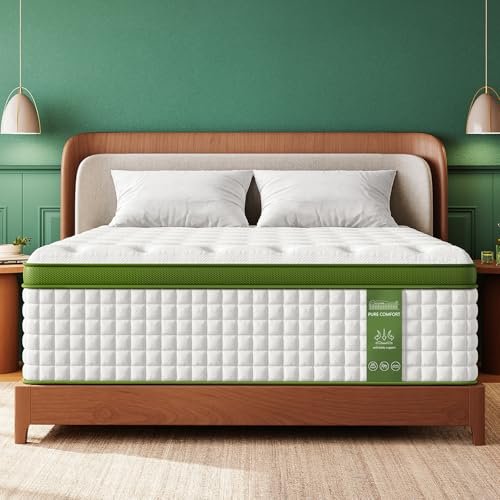
How to Build a Daybed Frame: Your Ultimate DIY Guide to Comfort and Style
Ever dreamed of a versatile piece of furniture that can serve as a cozy sofa by day and a comfortable bed by night? A DIY daybed frame is the perfect solution, offering incredible functionality and a chance to inject your unique style into your home. Building one yourself isn’t just a rewarding project; it’s also a fantastic way to save money and create a custom piece that perfectly fits your space and needs.
In this detailed guide, we’ll walk you through every step of building your own daybed frame, from planning to the final touches. We’ll share expert tips and highlight common mistakes to avoid, ensuring your project is a success. Get ready to transform your living room, guest room, or office with a beautiful, handmade daybed!
Why Build Your Own Daybed? The Benefits Are Endless!
Before we dive into the sawdust and screws, let’s appreciate why tackling this project is such a great idea:
- Cost-Effective: Purchasing a high-quality daybed can be expensive. Building one often uses less costly materials and saves on labor.
- Customization: You get to choose the exact dimensions, materials, and style to match your existing decor perfectly. Want built-in storage? You can design it in!
- Quality Control: You control the craftsmanship, ensuring a sturdy and durable frame that will last for years.
- Sense of Accomplishment: There’s immense satisfaction in creating something beautiful and functional with your own hands.
- Perfect Fit: No more struggling to find furniture that fits that awkward corner! You design it to fit your space precisely.
Getting Started: What You’ll Need
Building a daybed frame requires some basic woodworking tools and materials. Safety first! Always wear appropriate personal protective equipment (PPE) like safety glasses, hearing protection, and gloves.
Materials:
- Sturdy Lumber: (e.g., 2x4s, 2x6s, or 1x4s for slats) The specific quantity will depend on your chosen dimensions and design.
- Plywood or MDF: For any back, side panels, or drawer fronts you plan to include.
- Wood Screws: Various lengths (e.g., 2.5-inch for frame assembly, 1.5-inch for slat supports and slats).
- Wood Glue: For extra strength at joints.
- Sandpaper: Various grits (e.g., 80-grit, 120-grit, 220-grit).
- Wood Filler (Optional): To fill screw holes or imperfections.
- Paint, Stain, or Varnish (Optional): For finishing your daybed.
Tools:
- Measuring Tape: Accurate measurements are critical!
- Pencil: For marking cuts.
- Speed Square or Combination Square: For marking straight, square lines.
- Circular Saw or Miter Saw: For cutting lumber. A miter saw offers more precise cuts.
- Power Drill/Driver: For drilling pilot holes and driving screws.
- Drill Bits: Various sizes, including countersink bits.
- Clamps: To hold pieces securely while assembling.
- Orbital Sander: For smooth finishing.
- Level: To ensure your frame is perfectly flat and level.
- Stud Finder (Optional): If attaching to a wall.
Planning Your Daybed: The Foundation of Success
Careful planning is the most important step in any successful DIY project. Don’t skip this!
1. Determine Your Dimensions
- Mattress Size: Most daybeds are designed for a twin-size mattress (approximately 38″ x 75″). However, you can adapt plans for a full or even queen size if you have the space.
- Add for Frame: Remember that your frame dimensions will be slightly larger than your mattress to accommodate the wood thickness, fabric, and allow the mattress to fit comfortably. A good rule of thumb is to add 1 inch to the length and width of your mattress for the inside dimensions of your frame.
- Height: Consider the overall height you desire. This includes the height of your legs, the frame, and your mattress. A standard sofa height is around 18-20 inches, but you can adjust this based on your preference.
2. Sketch Your Design
- Draw a simple sketch of your daybed from different angles. This helps visualize the structure and identify any potential issues.
- Consider:
- Back and Side Panels: Will it have a full back and two side armrests, or just a back?
- Leg Style: Simple straight legs, tapered, or a solid base?
- Storage: Do you want built-in drawers underneath or open shelving? (This adds complexity but is highly functional!)
- Overall Aesthetic: Modern, rustic, minimalist?
3. Create a Cut List
Based on your design and dimensions, list every single piece of wood you’ll need, along with its precise length. This prevents waste and ensures you have all the necessary components.
- Legs: (e.g., 4 or 6 pieces)
- Long Rails: (front and back of the frame)
- Short Rails/End Pieces: (sides of the frame)
- Center Support Beam: (if using, recommended for larger beds or heavier mattresses)
- Slat Supports: (thin strips attached to the inside of the frame for slats to rest on)
- Slats: (numerous pieces that support the mattress)
- Back/Side Panel pieces (if applicable).
Step-by-Step Guide: Building Your Daybed Frame
Let’s get building! Take your time with each step, accuracy is key for a sturdy and good-looking finished product.
Step 1: Cut Your Lumber
- Using your measuring tape, pencil, and square, carefully mark all your cuts according to your cut list.
- Double-check your measurements before making any cut. This is where the phrase “measure twice, cut once” truly applies.
- Use your circular or miter saw to make all your cuts. Always prioritize safety by keeping hands clear of the blade and wearing appropriate PPE.
- Label each piece as you cut it (e.g., “front rail,” “leg A”) to avoid confusion during assembly.
Step 2: Assemble the Long Sides of the Frame
You’ll start by building two identical long sides, which will include the legs and the long rails.
- Lay one of your long rails flat.
- Position two legs at each end of the rail. The top of the leg should be flush with the top of the rail.
- Apply a bead of wood glue to the ends of the rail where it meets the legs.
- Pre-drill pilot holes through the legs and into the ends of the long rail. This prevents the wood from splitting and makes driving screws easier.
- Secure the legs to the rail using 2.5-inch wood screws. Drive them flush or slightly countersink them for a smoother finish.
- Repeat this process for the second long side of your daybed frame.
Step 3: Connect the Ends (Assemble the Box)
Now you’ll connect your two long side assemblies with the shorter end rails to form the rectangular box of your daybed.
- Stand one long side assembly upright.
- Position one short end rail between the legs at one end, flush with the top.
- Apply wood glue to the ends of the short rail.
- Pre-drill pilot holes through the legs and into the ends of the short rail.
- Secure with 2.5-inch wood screws.
- Repeat for the other end of the frame with the second short end rail.
- Finally, attach the second long side assembly to the remaining ends of the short rails, again using glue, pre-drilling, and screws.
- Regularly check for squareness with your speed square as you assemble. A square frame is essential for stability and a good fit for your mattress.
Step 4: Add Center Support (Crucial for Durability!)
For any daybed, especially those intended for regular use, a central support beam is highly recommended to prevent sagging and ensure the longevity of your mattress and frame.
- Cut a piece of lumber (e.g., a 2×4) to fit precisely from the middle of one short end rail to the middle of the other.
- You’ll likely need to add a short support block to the inside of the short rails where the center beam will attach, giving it more surface area to screw into.
- Attach the center support beam centrally, using wood glue and screws, ensuring it’s level with the top of your frame.
Step 5: Install the Slat Supports
The slat supports are thin strips of wood that run along the inside of the long rails and the center support (if applicable). Your mattress slats will rest on these.
- Cut two pieces of lumber (e.g., 1x2s or 1x3s) to the length of your long rails.
- Cut additional pieces to the length of your short rails if you don’t have a center support, or if your design requires support for slats that run the other direction.
- Determine the desired height for your slats. Typically, you want the slats to sit so that your mattress is flush or slightly above the top edge of your frame. Mark a line at this height along the inside of your long rails and center support.
- Apply wood glue to the back of the slat supports.
- Attach the slat supports firmly along the marked line on the inside of the long rails and center beam using 1.5-inch wood screws. Pre-drill pilot holes to prevent splitting.
Step 6: Lay the Slats
The slats are the horizontal pieces that directly support your mattress. They provide ventilation and crucial support.
- Cut numerous pieces of lumber (e.g., 1x4s) to fit snugly across the width of your frame, resting on the slat supports.
- Space your slats evenly, typically 2-3 inches apart. This ensures proper mattress support and ventilation.
- Secure each slat to the slat supports using 1.5-inch wood screws. You can pre-drill two holes at each end of each slat to prevent splitting. Do not skip this step! Unsecured slats can shift, create noise, and compromise support.
Step 7: Add Back and Side Panels (Optional)
If your design includes back and side panels for a more finished, sofa-like look:
- Cut your plywood or MDF to the desired dimensions for the back and sides.
- Attach them to the frame using wood glue and screws, countersinking the screws for a cleaner finish. You can attach them to the outside of the frame for a flush look or build a small internal frame for them to sit within.
Step 8: Finishing Touches
This is where your daybed truly comes to life!
- Sanding: Thoroughly sand the entire frame, starting with a coarser grit (80 or 120) to smooth rough edges and remove imperfections, then progressing to a finer grit (220) for a silky-smooth finish. A smooth finish is key for comfortable use and professional appearance.
- Clean: Wipe down the frame to remove all sawdust.
- Fill Holes (Optional): If you’ve countersunk your screws or have any small gaps, fill them with wood filler. Let it dry, then sand smooth.
- Paint or Stain: Apply your chosen finish. Follow the product instructions for application, drying times, and multiple coats. This protects the wood and adds aesthetic appeal.
Top Tips for a Successful Build
- Always Measure Twice, Cut Once: Seriously, this saves wood, time, and frustration.
- Pre-Drill Pilot Holes: This is non-negotiable for preventing wood from splitting, especially when screwing close to edges or into end grain.
- Use Wood Glue: It significantly strengthens joints, making your frame much more durable. Clamp pieces together while the glue dries for the best bond.
- Check for Square: Use a speed square or large framing square frequently during assembly to ensure your frame is perfectly square. This prevents wobbles and ensures everything fits correctly.
- Safety First: Wear safety glasses whenever you’re cutting or drilling. Use ear protection with loud tools.
- Test Fit Components: Before driving screws, dry-fit pieces to ensure they fit correctly.
- Don’t Rush: Take your time. Woodworking is a craft, and patience yields better results.
Common Mistakes to Avoid
- Incorrect Measurements: The most common culprit for wonky furniture.
- Forgetting to Pre-Drill: Leads to split wood, wasted materials, and weakened joints.
- Inadequate Support: Not enough slats or a missing center support will lead to a sagging mattress and a short lifespan for your daybed.
- Not Checking for Square: Results in a wobbly, uneven frame that looks unprofessional and isn’t as sturdy.
- Skipping Sanding: Leads to rough edges, splinters, and an unfinished look. A smooth surface is crucial for comfort and appearance.
- Over-Tightening Screws: Can strip the screw head or the wood, making the joint weak.
- Ignoring Glue: Relying solely on screws leaves joints weaker than they could be.
Conclusion
Congratulations, you’re now equipped with the knowledge to build a beautiful and functional daybed frame! This project is a fantastic way to enhance your home, save money, and gain valuable woodworking skills. Remember to plan meticulously, work safely, and take pride in each step of the process.
Once complete, throw on your favorite mattress, some cozy pillows, and a stylish throw, and enjoy your new custom-made sanctuary. Your DIY daybed will not only be a testament to your hard work but also a beloved piece of furniture for years to come. Happy building!
Frequently Asked Questions(FAQ)
Q. What are the essential tools I’ll need to build a day bed frame?
A. You’ll typically need a miter saw or circular saw for accurate cuts, a drill/driver for fasteners, a measuring tape, pencil, and a speed square for ensuring cuts are square. For joinery, a pocket hole jig is highly recommended for strong and concealed connections. Don’t forget safety glasses and hearing protection.
Q. What type of wood is best for building a sturdy day bed frame?
A. For a sturdy and durable frame, common choices include construction-grade pine, poplar, oak, or maple. Pine is budget-friendly and easy to work with, while hardwoods like oak offer superior strength and longevity. Ensure the wood is straight, free from major knots, and kiln-dried to prevent warping.
Q. How do I determine the correct dimensions for my day bed frame?
A. Most day beds are designed to fit a standard twin mattress (typically 38×75 inches). You should measure your specific mattress and then add about 1/4 to 1/2 inch to both the length and width for the inside dimensions of your frame. This allows for easy placement and removal of the mattress. Factor in the thickness of your chosen lumber for the overall exterior dimensions.
Q. What is the most common and sturdy joinery method for a DIY day bed frame?
A. Pocket hole joinery (using a Kreg jig or similar system) is extremely popular for DIY day beds due to its strength, ease of use, and concealed fasteners. Always use wood glue in addition to the pocket screws for maximum durability. For added rigidity, especially at leg connections, consider using internal corner blocks or metal angle brackets.
Q. How do I ensure the day bed frame is stable and doesn’t wobble?
A. Stability comes from several factors: using straight, high-quality lumber, ensuring all cuts are perfectly square, employing strong joinery (like glued pocket holes), and providing adequate bracing. Reinforce all leg-to-frame connections with extra fasteners or corner blocks. A well-designed and secured slat support system also significantly contributes to the overall rigidity.
Q. Can I incorporate storage into the day bed frame design?
A. Yes, adding storage is a common and highly practical modification. You can design the frame to include built-in drawers underneath, open cubbies, or even a lift-top platform for hidden storage. This usually requires increasing the overall height of the frame and adding internal dividers and/or drawer slides, which will add complexity to the build.
Q. What considerations should I make for the back and armrests of the day bed?
A. The back and armrests (or sides) are crucial for both comfort and aesthetics. They should be securely attached to the main bed frame, often using pocket screws or robust angle brackets from the inside. Ensure their height is appropriate for sitting comfortably with your chosen mattress and cushions. You can use solid panels, vertical/horizontal slats, or even plan for upholstery.
Q. What kind of support system is best for the mattress within the day bed frame?
A. A slatted support system is generally ideal. Use solid wood slats (e.g., 1x3s or 1x4s) spaced no more than 2-3 inches apart to provide proper support and allow for air circulation. The slats should be securely attached to ledger boards or cleats fastened to the inside of the long frame rails. For wider day beds, a center support beam with one or more legs may be necessary to prevent mattress sagging.
Q. What finishing options are available for a wooden day bed frame?
A. You have several choices:
* Stain: Enhances the natural wood grain. Apply pre-stain conditioner for even absorption.
* Paint: Offers a solid, opaque color finish, great for matching specific decor. Always use a primer first.
* Varnish or Polyurethane: Provides a clear, durable protective layer that guards against wear, moisture, and scratches.
* Oil Finish: Penetrates the wood, providing a natural look and feel, and is easy to repair.
Always sand your wood thoroughly through progressively finer grits before applying any finish.
Related Articles
7 Top Full Size Bed Frames: What is the Dimensions of a Full Size Bed Frame and More!
Getting a good night’s sleep often starts with the right bed, and for many, a full-size bed is the perfect sweet spot between a twin and a queen…
How Much Is a King Size Sleep Number Smart Bed
How Much Is a King Size Sleep Number Smart Bed? Your Guide to Understanding the Investment Recommended Product: Select Comfort Air Bed Chamber for Sle…
How Much Does a Sleep Number 360 Smart Bed Cost
How Much Does a Sleep Number 360 Smart Bed Cost? Recommended Product: Sven & Son Classic Adjustable Bed Base — head and foot lift, massage, under-…