Navigating the world of senior care can be tricky, especially when it comes to understanding what’s covered by insurance. Many seniors and their families often wonder, “Are mattresses for seniors covered by Medicare?” It’s a fantastic question, and one that deserves a clear, straightforward answer. While Medicare generally doesn’t cover a standard mattress simply for comfort, there are specific circumstances where a medical-grade mattress might be considered durable medical equipment (DME) and, therefore, eligible for coverage under Medicare Part B.
Finding the right mattress is incredibly important for older adults. A good mattress can drastically improve sleep quality, alleviate joint pain, reduce the risk of pressure sores (bedsores), and contribute significantly to overall well-being. This article will help you understand Medicare’s stance on mattresses and introduce you to a top-tier option designed to meet demanding health and comfort needs.
Understanding Medicare Coverage for Mattresses
Let’s get straight to it: Medicare typically doesn’t pay for a standard mattress for your home just because you’re a senior or have general back pain. However, there’s a big “but” here! If a medically necessary mattress is prescribed by a doctor as part of a therapeutic bed system (often a hospital bed), it might be covered under Medicare Part B. This usually falls under Durable Medical Equipment (DME).
For a mattress to be considered DME, it must:
* Be durable (can withstand repeated use).
* Be used for a medical reason.
* Not usually be useful to someone who isn’t sick or injured.
* Be used in your home.
* Have an expected lifetime of at least 3 years.
Often, this means specialized mattresses designed for pressure redistribution, pain management, or for use with adjustable hospital beds. Your doctor needs to write a prescription explaining why a specific type of mattress is medically necessary for your condition. This is particularly relevant for individuals at risk of pressure ulcers or those requiring specialized support due to mobility issues or chronic pain. So, while searching for mattresses for seniors covered by Medicare, remember to focus on the “medically necessary” and “DME” aspects.
Key Features to Look for in a Senior-Friendly Mattress
Regardless of Medicare coverage, when choosing a mattress for an older adult, keep these features in mind:
- Pressure Relief: This is crucial for preventing bedsores and alleviating joint pain. Memory foam or latex mattresses are excellent for this.
- Support & Firmness: A medium-firm mattress often provides the best balance of comfort and support, keeping the spine aligned.
- Edge Support: Strong edges make it easier to get in and out of bed and provide a stable surface when sitting on the edge.
- Temperature Regulation: Gel-infused foams or breathable materials can help prevent overheating, which is common with memory foam.
- Ease of Cleaning: Waterproof or fluid-resistant covers are a godsend, especially for those with incontinence issues or who are prone to spills.
- Durability: A long-lasting mattress is a good investment, ensuring consistent support over time.
Advanced Care Standard Memory Foam Mattress: A Top Choice for Senior Support
When it comes to specialized care and robust design, the Advanced Care Standard Memory Foam mattress stands out. While its name might suggest institutional use, its features are incredibly beneficial for seniors requiring high levels of support, pressure relief, and durability in a home setting. This mattress is engineered to provide superior comfort and protection, making it an excellent option for those with specific health needs.
Advanced Care Standard Memory Foam Seclusion/Mental Health…
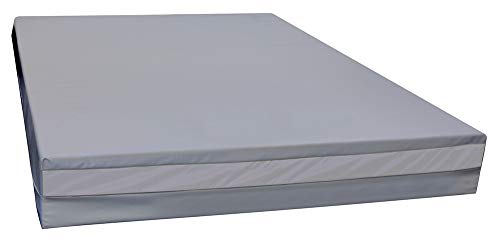
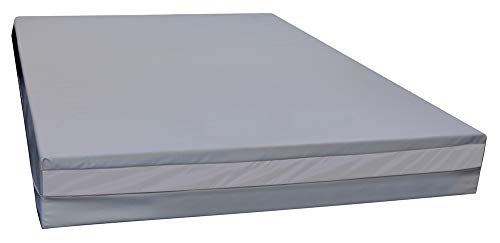
This isn’t your average off-the-shelf mattress. The Advanced Care Standard Memory Foam mattress is built to exacting standards, focusing on durability, hygiene, and therapeutic benefits. Its multi-layered, multi-density design works wonders for pressure redistribution, helping to prevent painful bedsores and ensuring maximum comfort for individuals who spend significant time in bed. The inclusion of gel memory foam also helps with temperature regulation, a common concern for many seniors. If you’re looking for a mattress that offers both peace of mind and exceptional physical support, this one is definitely worth considering.
Key Features:
– USA MADE: Designed and manufactured in the USA with CertiPUR-US foam, ensuring eco-friendly formulations and content integrity.
– FLUID RESISTANT/EASY TO CLEAN: Features a Vynmed healthcare vinyl cover that is low friction, stain resistant, abrasion resistant, easy to clean, and latex-free. Meets California Technical Bulletin 117.
– COMFORT & SUPPORT: Multi-layered, multi-density design for optimal comfort and postural support. Gel Memory foam provides pressure redistribution and a cooler sleep experience.
– FIRM EDGE SUPPORT: Includes a FirmEdge passive restraint system for support on both sides and a medium-firm core for overall comfort.
– COMPLETELY SEWN CLOSED: Sealed side seams prevent liquid penetration and extend mattress life. Includes a built-in waterproof vent system (Super-A-Vent).
– FIRE BARRIER PROTECTIVE LAYER: Assembled between the cover and foam, meeting California Technical Bulletin 129 and CFR 1633.
Pros:
– Exceptional pressure redistribution reduces the risk of bedsores.
– Gel-infused memory foam promotes cooler sleep.
– Highly durable and easy-to-clean fluid-resistant cover.
– Strong edge support aids in safe transfers in and out of bed.
– USA-made with CertiPUR-US certified foam ensures quality and safety.
– Meets rigorous fire safety standards.
– Sealed seams enhance hygiene and mattress longevity.
Cons:
– The name “Seclusion/Mental Health” might deter some, though its features are universally beneficial for high-care needs.
– Medical-grade specifications might make it a more significant investment than a standard consumer mattress.
– May feel firmer than what some individuals are accustomed to, though it’s designed for therapeutic support.
User Impressions:
Users consistently praise this mattress for its robust construction and the tangible benefits of its pressure redistribution capabilities. Many highlight the peace of mind offered by its easy-to-clean, fluid-resistant cover, making daily care much simpler. The firm edge support is frequently mentioned as a valuable feature for safety and independence. Overall, customers feel confident in the quality and safety provided by its USA-made, CertiPUR-US certified components.
Conclusion
While the dream of Medicare covering a luxury memory foam mattress for general comfort remains just that—a dream—there’s real hope for coverage when a medical-grade, therapeutic mattress is genuinely necessary. Understanding the nuances of Durable Medical Equipment (DME) and working closely with your doctor are key steps in potentially getting mattresses for seniors covered by Medicare.
The Advanced Care Standard Memory Foam mattress exemplifies the kind of specialized support and durability that can make a significant difference in a senior’s quality of life, especially for those with specific health concerns requiring enhanced pressure relief and hygiene. Always remember to prioritize features like pressure redistribution, ease of cleaning, and strong support when making your choice.
Ultimately, whether you’re seeking coverage or buying out-of-pocket, investing in a high-quality mattress is an investment in health, comfort, and peace of mind for seniors. Don’t hesitate to discuss your specific needs with your healthcare provider to ensure you make the best decision.
Frequently Asked Questions (FAQ)
Q1: Does Medicare cover any mattresses for seniors?
A1: Medicare generally does not cover standard mattresses for comfort. However, it may cover a medically necessary therapeutic mattress as part of a hospital bed system if prescribed by a doctor and categorized as Durable Medical Equipment (DME) under Medicare Part B.
Q2: What kind of mattresses does Medicare Part B potentially cover?
A2: Medicare Part B may cover specialized therapeutic mattresses designed to prevent or treat conditions like bedsores, or mattresses that are an integral part of an approved hospital bed system needed for home use. These are not standard retail mattresses.
Q3: How do I get a mattress covered by Medicare?
A3: You’ll need a doctor’s prescription stating that a specific type of therapeutic mattress or hospital bed system is medically necessary for your condition. The equipment must be obtained from a Medicare-enrolled supplier, and you’ll typically pay 20% of the Medicare-approved amount after your Part B deductible.
Q4: What is durable medical equipment (DME) in the context of mattresses?
A4: DME refers to equipment that is durable, used for a medical reason, not usually useful to someone who isn’t sick or injured, used in your home, and has an expected lifetime of at least 3 years. A therapeutic mattress that meets these criteria and is medically necessary could qualify.
Q5: Can I get a memory foam mattress covered by Medicare?
A5: A standard memory foam mattress purchased for general comfort is not covered. However, a specialized, medical-grade memory foam mattress designed for pressure relief and therapeutic purposes, used as part of a covered hospital bed system and medically prescribed, might be.
Q6: What if my doctor says I need a special mattress, but Medicare won’t cover it?
A6: If Medicare denies coverage, you can appeal the decision. Alternatively, you might explore other options such as Medicaid (if eligible), private health insurance plans, or patient assistance programs. Some suppliers may also offer payment plans.
Q7: Are there specific brands or types of mattresses that Medicare prefers?
A7: Medicare does not typically endorse specific brands. Instead, it focuses on the medical necessity and the functional requirements of the equipment. The mattress must meet specific criteria for therapeutic use and be supplied by a Medicare-approved provider.
Q8: What features should I prioritize when choosing a mattress for an elderly person?
A8: Look for excellent pressure relief (e.g., memory foam, latex), good edge support for safe transfers, appropriate firmness for spinal alignment, ease of cleaning (waterproof/resistant covers), and temperature regulation to prevent overheating.