
Smart Bed for Seniors: A Comprehensive Guide to Better Sleep and Comfort
Recommended Product:
As we age, quality sleep becomes increasingly important for maintaining health, mobility, and overall well-being. Many seniors face challenges such as chronic pain, limited mobility, and difficulty finding a comfortable sleeping position. A smart bed for seniors can be a game-changer, offering customizable comfort, enhanced support, and helpful technology designed to improve sleep quality and daily life.
In this guide, we’ll explore what smart beds are, the benefits for seniors, how to choose the right one, setup tips, and common mistakes to avoid. Whether you’re choosing a smart bed for yourself or a loved one, this article will help you make informed decisions to enjoy restful, rejuvenating nights.
What Is a Smart Bed?
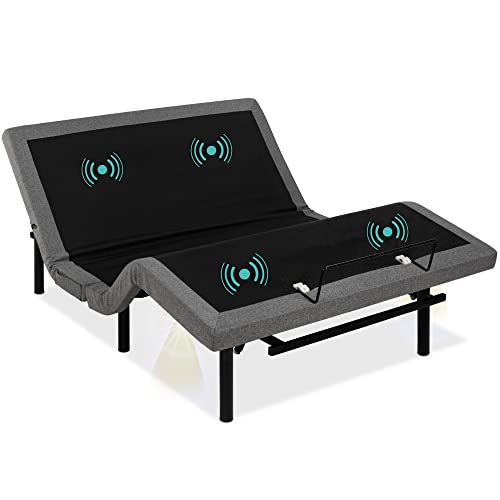
A smart bed integrates advanced technology into the traditional mattress to monitor, adjust, and personalize sleep conditions. Features may include:
- Adjustable firmness and elevation
- Sleep tracking and health monitoring
- Temperature regulation
- Massage functions
- Voice or app control
For seniors, these capabilities translate into greater comfort, improved sleep quality, and enhanced support for health needs.
Benefits of a Smart Bed for Seniors
- Improved Sleep Quality
Smart beds can adjust firmness and support dynamically based on pressure points and movement, allowing seniors to sleep more soundly without waking up uncomfortable. - Pain Relief and Pressure Management
Adjustable positions reduce strain on joints and relieve pressure on sensitive areas, helping with arthritis, sciatica, or back pain. - Enhanced Mobility and Safety
Elevating the head or legs makes getting in and out of bed easier and improves circulation. Some beds have gentle alarms to alert caregivers if a senior attempts to get up unsafely. - Health Monitoring
Built-in sensors can track heart rate, breathing, and sleep patterns, offering valuable data for health management and early detection of issues.
How to Choose the Right Smart Bed for Seniors: Step-by-Step
Step 1: Identify Specific Needs
Consider the senior’s health conditions and mobility. Do they need assistance with positioning? Do they suffer from chronic pain or circulation issues? Knowing these helps determine which features to prioritize.
Step 2: Research Key Features
Look for these must-haves:
- Adjustable head and foot elevation for easier movement and comfort
- Pressure relief zones to reduce discomfort
- Temperature control to prevent overheating or chills
- User-friendly controls like an easy-to-use remote or voice commands
- Sleep tracking if monitoring health conditions is important
Recommended Product:
Step 3: Check Bed Size and Space
Make sure the bed fits well in the bedroom, allowing enough room for easy access and any additional equipment like lifts or side rails.
Step 4: Confirm Weight Limits and Support
Older adults may require beds that support higher weight capacities or provide reinforced frames for stability.
Step 5: Read Warranty and Service Options
Since smart beds involve technology, look for generous warranties and accessible customer support to assist with adjustments or troubleshooting.
How to Set Up and Use a Smart Bed for Seniors
Step 1: Assemble the Bed Properly
Follow manufacturer instructions carefully. If needed, enlist professional help to ensure safety and proper setup.
Step 2: Customize Settings Gradually
Start by adjusting firmness and elevation to find the most comfortable position. Don’t rush — it may take several nights to settle on ideal settings.
Step 3: Use Sleep Tracking Data Wisely
If the bed tracks sleep, review the information together to spot patterns or disturbances and adjust habits or bed settings accordingly.
Step 4: Train the Senior on Controls
Make sure the senior understands how to operate the bed. Practice together with the remote or voice commands until they feel confident.
Step 5: Incorporate Into Daily Routine
Encourage using the bed’s features consistently, such as elevating the legs after walking or adjusting the position to relieve stiffness.
Common Mistakes to Avoid When Using a Smart Bed for Seniors
- Ignoring personal comfort preferences: Always prioritize how the senior feels rather than relying only on default settings or technology recommendations.
- Not testing bed features beforehand: Before long-term use, test all adjustable functions to make sure they are easy to use and beneficial.
- Overcomplicating controls: Avoid beds with overly complex interfaces; simple, intuitive controls work best for seniors.
- Neglecting maintenance and updates: Keep the bed clean and firmware updated to prolong lifespan and ensure smooth functionality.
- Choosing size or style based solely on aesthetics: Focus on comfort, support, and safety rather than looks alone.
Tips for Maximizing the Benefits of a Smart Bed
- Pair the bed with supportive pillows to enhance neck and back alignment.
- Maintain a comfortable bedroom environment, including optimal temperature and minimal noise.
- Encourage consistent sleep schedules alongside bed adjustments for better results.
- Use the bed’s adjustable features to assist with breathing difficulties, such as elevating the head for snoring or acid reflux.
- Regularly review sleep data with healthcare providers if health monitoring is important.
Final Thoughts
A smart bed for seniors can dramatically improve sleep quality, comfort, and independence. By carefully choosing the right features, properly setting up the bed, and avoiding common pitfalls, seniors can enjoy restorative nights and better days. Remember, the best smart bed is one that fits specific health needs and is easy for the senior to operate confidently. Prioritize comfort, safety, and simplicity to make the most of this incredible sleep technology.
Embrace the future of sleep—because every senior deserves to rest and wake revitalized!
Recommended Product:
FAQ
Q. What is a smart bed for seniors?
A. A smart bed for seniors is an advanced bed equipped with technology designed to improve comfort, safety, and health monitoring. These beds often include features like adjustable positions, pressure relief, fall detection, and sleep tracking tailored to the needs of older adults.
Q. How can a smart bed benefit seniors?
A. Smart beds can enhance seniors’ comfort by allowing customized positioning, reducing pressure sores, and improving circulation. They also provide safety features such as fall prevention alerts and emergency response. Additionally, many smart beds monitor vital signs and sleep quality, helping caregivers manage health conditions more effectively.
Q. Are smart beds difficult for seniors to operate?
A. Most smart beds are designed with user-friendly controls, including simple remotes, smartphone apps, or voice commands to make operation easy for seniors. Many models focus on intuitive use to ensure seniors can adjust the bed without assistance.
Q. Do smart beds require special maintenance?
A. Smart beds generally require basic maintenance similar to regular beds, such as cleaning and occasional checks of mechanical components. The electronic parts might need software updates and should be inspected periodically to ensure sensors and motors function properly.
Q. Can smart beds help seniors with mobility issues?
A. Yes, smart beds can assist seniors with limited mobility by making it easier to change positions, get in and out of bed safely, and reduce the need for physical assistance from caregivers. Features like adjustable height and tilting help improve accessibility.
Q. Are smart beds covered by insurance for seniors?
A. Coverage for smart beds varies depending on the insurance provider and policy. Some advanced medical beds with specific health features might be partially covered under Medicare or private insurance, but many comfort-oriented smart beds are considered non-medical and are typically not covered.
Q. What safety features do smart beds have for seniors?
A. Safety features often include fall detection, bed-exit alarms, pressure relief to prevent ulcers, emergency alert systems, and anti-entrapment designs. These help reduce risks associated with aging, such as falls and prolonged immobility.
Q. How much does a smart bed for seniors typically cost?
A. Prices vary widely depending on features and brand, ranging from a few hundred dollars for basic adjustable beds to several thousand dollars for fully equipped smart beds with extensive health monitoring and connectivity options.
Related Articles
Smart Bedding for Better Sleep
Everyone wants better sleep. Sleep is very important for our health and happiness. Did you know that your bedding can help you sleep better? Smart bed…


Leave a Reply
You must be logged in to post a comment.